
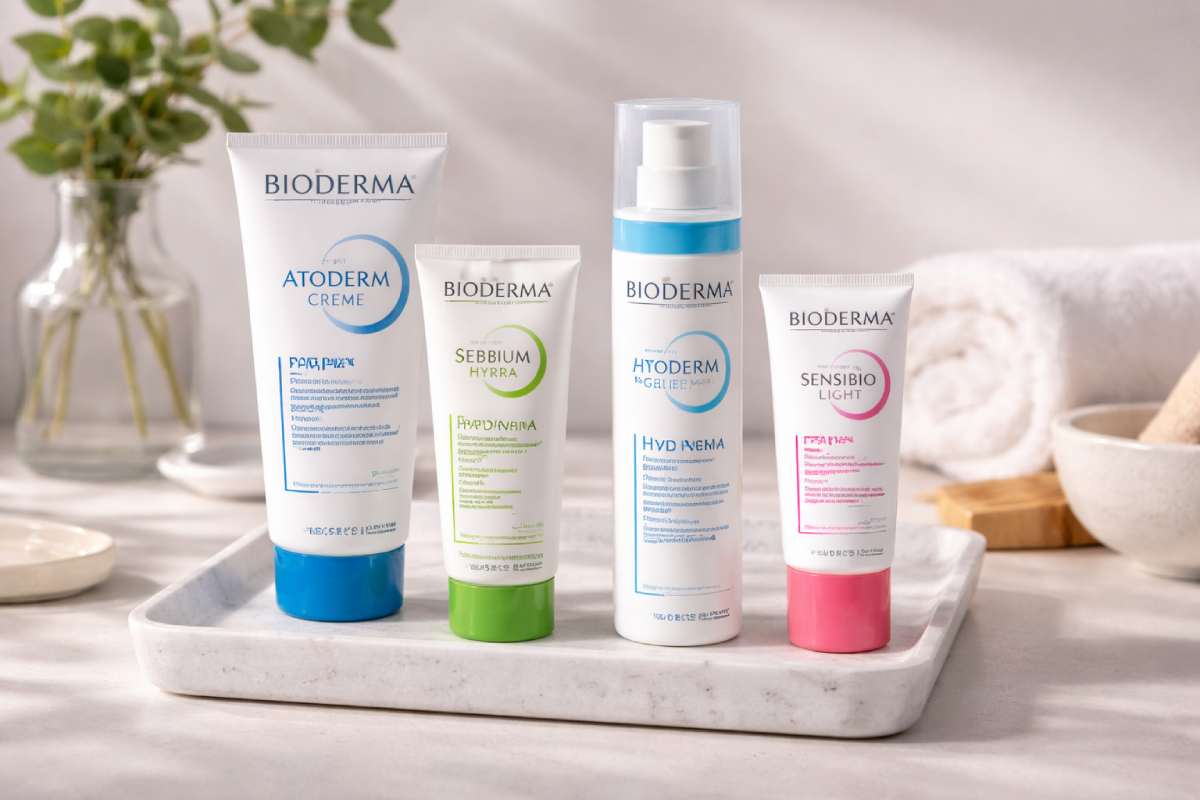
Healthy skin rarely comes from trends — it comes from choosing products that actually support your skin barrier. That’s exactly why so many dermatologists and skincare users turn to Bioderma moisturizer instead of traditional cosmetic creams.
If you’ve ever struggled with dryness that keeps returning, irritation from active ingredients, sudden breakouts, or skin that feels tight even after moisturizing, you’re not alone. Many moisturizers temporarily soften the skin but fail to address the real issue: maintaining long-term hydration and barrier balance.
Bioderma takes a different approach. Rather than masking dryness, its formulations are designed to work with your skin’s natural biology — helping it retain moisture, reduce sensitivity, and recover from daily environmental stress.
But with multiple ranges like Atoderm, Hydrabio, Sébium, and Sensibio available, choosing the right Bioderma moisturizer can feel confusing.
In this complete guide (updated March 2026), you’ll learn how Bioderma moisturizers actually work, which variant suits your skin type, common mistakes to avoid, and whether these dermatologist-recommended formulas are truly worth adding to your daily skincare routine.
Table of Contents
Summary
- Bioderma moisturizer products are dermatology-focused formulas designed for sensitive, dry, oily, and compromised skin.
- The brand prioritizes skin barrier repair rather than cosmetic hydration alone.
- Choosing the right Bioderma range (Atoderm, Sébium, Hydrabio, Sensibio) matters more than price.
- Ideal for sensitive, acne-prone, or medically treated skin.
- Best results come from matching moisturizer type with skin condition and climate.
Last Updated: March 2026 – Reflects current product formulations, pricing, and dermatological insights available at time of publication.
If you’re searching for a Bioderma moisturizer, you’re probably trying to solve a specific skin problem — dryness, sensitivity, acne irritation, or a damaged skin barrier.
Unlike cosmetic moisturizers focused mainly on texture or fragrance, Bioderma products are developed using dermatological skin biology principles.
Clear definition: A Bioderma moisturizer is a dermatology-developed skincare product designed to restore hydration, strengthen the skin barrier, and maintain biological skin balance while minimizing irritation risk.
Instead of forcing hydration temporarily, Bioderma formulas aim to help skin retain moisture naturally.
Why Bioderma Moisturizers Are Different
Most moisturizers work by adding oils or humectants temporarily.
Bioderma follows a skin-mimicking formulation philosophy, meaning products are created to support natural skin functions.
Common characteristics include:
- Barrier-repair ingredients
- Fragrance-minimized formulations
- Non-comedogenic textures
- Sensitive-skin testing
- Dermatological compatibility
This makes the brand widely recommended after dermatological treatments.
Bioderma Moisturizer Ranges Explained
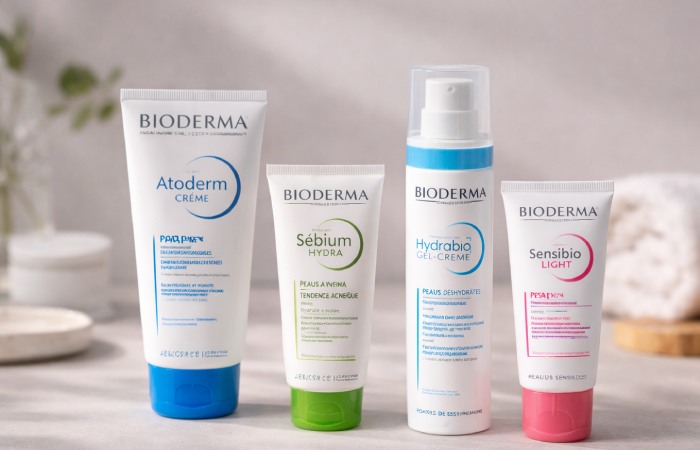
Choosing the correct range matters more than choosing the most popular product.
| Range | Best For | Skin Concern |
| Atoderm | Dry to very dry skin | Barrier repair |
| Hydrabio | Dehydrated skin | Moisture retention |
| Sébium | Oily & acne-prone | Oil balance |
| Sensibio | Sensitive skin | Redness & irritation |
Each line targets a different biological skin condition.
Who Should Use a Bioderma Moisturizer
Bioderma works especially well for:
- Sensitive or reactive skin
- Acne-prone users
- Compromised skin barrier
- Post-treatment skin (peels, retinoids)
- People living in dry or humid climates
Many dermatologists recommend barrier-support moisturizers when irritation occurs from active ingredients.
Who Should Be Cautious
Bioderma may not be ideal if:
- You prefer heavy luxury textures
- You want fragrance-rich skincare
- Budget is your main priority
- You expect instant cosmetic glow effects
These formulas prioritize skin health over sensory experience.
Key Benefits of Bioderma Moisturizer
- Skin Barrier Support
Healthy skin depends heavily on barrier integrity.
Barrier-support moisturizers help reduce:
- Water loss
- Irritation
- Sensitivity flare-ups
- Long-Term Hydration
According to clinical guidance published by the National Center for Biotechnology Information on skin hydration and barrier function, maintaining moisture balance helps reduce transepidermal water loss and improves long-term skin resilience.
- Acne Compatibility
Oil-control variants avoid pore-clogging ingredients commonly found in rich creams. Dermatology recommendations from the Mayo Clinic’s acne care guidelines emphasize using non-comedogenic moisturizers to prevent irritation while supporting acne treatment routines.
- Sensitive Skin Safety
Minimal irritants make them suitable for rosacea-prone or reactive skin types.
Bioderma Moisturizer vs Regular Drugstore Moisturizers
| Feature | Bioderma | Typical Moisturizer |
| Dermatology focus | High | Moderate |
| Barrier repair | Strong | Variable |
| Sensitive skin safety | Excellent | Mixed |
| Fragrance level | Low | Often high |
| Long-term skin balance | Priority | Secondary |
The difference lies in formulation philosophy rather than hydration alone.
Real-World Usage Scenario
Imagine someone starting retinol treatment.
Within weeks, dryness and irritation appear.
Switching to a barrier-focused moisturizer helps:
- Reduce peeling
- Improve tolerance
- Maintain hydration
- Continue treatment safely
This is where Bioderma moisturizers are commonly introduced.
Common Mistakes When Using Bioderma Moisturizer
- Choosing the wrong range for skin type
- Using too little product
- Skipping moisturizer for oily skin
- Expecting overnight results
Skin barrier repair usually takes consistent use over weeks.
Myths vs Facts
Myth: Bioderma is only for sensitive skin.
Fact: Different lines address dehydration, acne, and dryness.
Myth: Oily skin doesn’t need moisturizer.
Fact: Lack of hydration can increase oil production.
Myth: Expensive moisturizers work faster.
Fact: Ingredient compatibility matters more than price.
How to Apply Bioderma Moisturizer Correctly
Follow this simple routine:
- Cleanse gently.
- Apply on slightly damp skin.
- Use pea-to-almond sized amount.
- Press instead of rubbing.
- Apply twice daily.
Consistency matters more than layering multiple products.
Bioderma Moisturizer Price Range (2026)
| Region | Average Price |
| United States | $15–$30 |
| Europe | €12–€28 |
| India | ₹900–₹2,000 |
| UK | £12–£25 |
Prices vary based on range and size.
Where to Buy Bioderma Moisturizer (Authentic Sources)
Bioderma moisturizers are widely available through official brand stores, authorized pharmacies, and trusted beauty retailers. To avoid counterfeit skincare products, it’s best to purchase only from verified sellers or recognized dermatology platforms.
You can explore the complete moisturizer range directly through the official Bioderma India store, which lists authentic products such as Atoderm, Sensibio, Hydrabio, and Sébium formulations available for online purchase and delivery.
For online shopping, trusted retailers like Nykaa, Amazon’s official Bioderma storefront, and dermatologist-led platforms also stock genuine products with verified supply chains and return policies.
If you prefer offline purchasing, Bioderma provides a store locator tool that helps you find nearby pharmacies and cosmetic stores carrying authorized products in major cities.
Best practice:
Always check seller authenticity, packaging seals, and expiry details — especially when buying premium dermatological skincare online.
Is Bioderma Moisturizer Worth It?
Choose Bioderma if:
- Skin gets irritated easily
- You use active skincare
- Barrier repair is needed
- You want dermatologist-style skincare
Consider alternatives if:
- You want luxury textures
- Budget skincare performs well for you
- Skin has no sensitivity issues
FAQs
Is Bioderma moisturizer good for acne-prone skin?
Yes. Sébium variants are designed specifically for oily and acne-prone skin types.
Can Bioderma moisturizer be used daily?
Yes, most formulas are designed for morning and night use.
Is Bioderma suitable for sensitive skin?
Yes. Sensibio range is created specifically for reactive skin.
Does Bioderma clog pores?
Most products are non-comedogenic when matched correctly to skin type.
Which Bioderma moisturizer is best for dry skin?
Atoderm Intensive Baume is commonly used for very dry or compromised skin.
Final Conclusion
Choosing the right Bioderma moisturizer isn’t about trends — it’s about understanding your skin’s biological needs. With dermatologist-driven formulations focused on hydration and barrier repair, Bioderma remains one of the most reliable skincare options as of March 2026.
Before buying, identify your skin concern first, select the correct range, and use it consistently. When matched properly to your skin type, a Bioderma moisturizer can significantly improve hydration, comfort, and long-term skin health.