
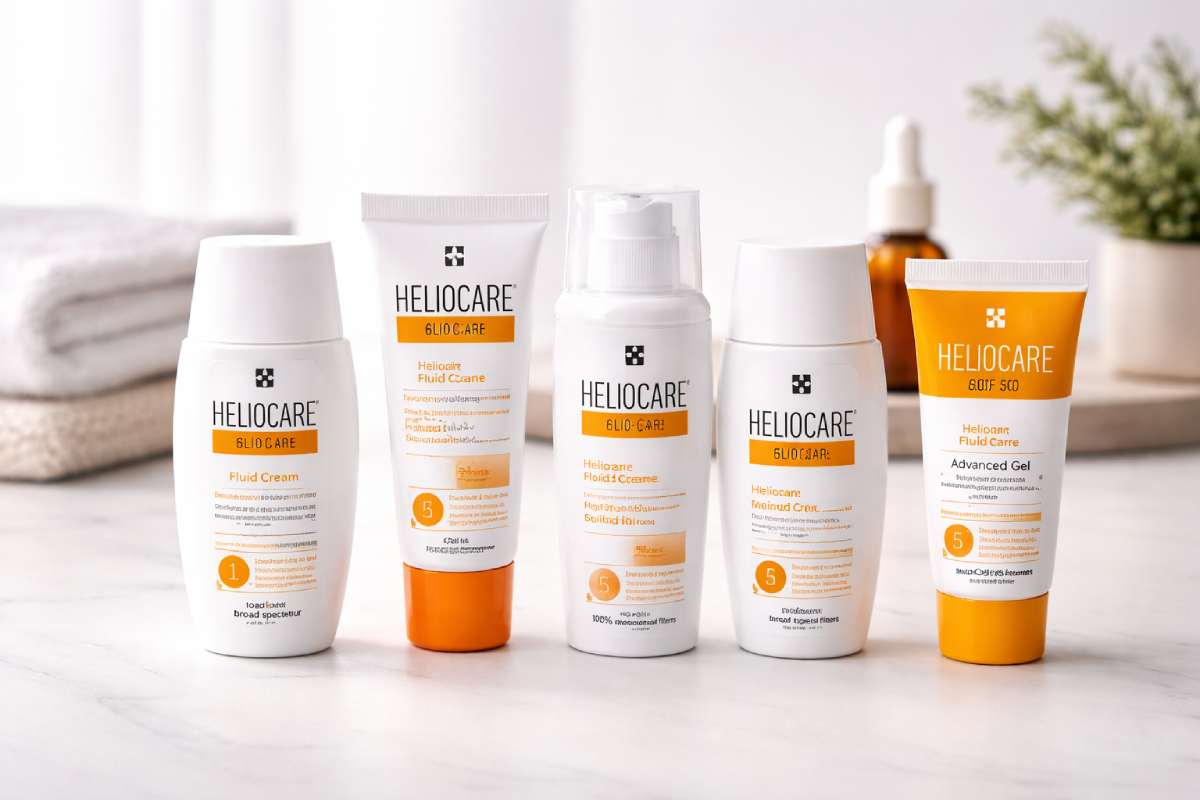
If you’re serious about protecting your skin, you already know that not all sunscreens are created equal. And that’s probably why you’re looking into Heliocare sunscreen.
In a market flooded with basic SPF formulas that feel greasy, clog pores, or leave a white cast, Heliocare stands out as a dermatologist-favored option that promises more than just sunburn protection. It combines broad-spectrum UV filters with antioxidant technology designed to help defend your skin against long-term sun damage — including pigmentation and premature aging.
But is it really worth the premium price?
Does it work for acne-prone or sensitive skin?
And which Heliocare variant should you actually choose?
In this complete 2026 guide, you’ll get a clear, no-hype breakdown of how Heliocare sunscreen works, who it’s best for, its real-world pros and cons, and whether it deserves a place in your daily skincare routine.
Table of Contents
Summary
- Heliocare sunscreen is a dermatologist-recommended sun protection line known for its antioxidant-based Fernblock® technology.
- It offers broad-spectrum UVA/UVB protection and is available in gel, fluid, tinted, and mineral formulas.
- Best for sensitive, acne-prone, and pigmentation-prone skin.
- It combines traditional UV filters with antioxidant support.
- Choose based on skin type, climate, and daily sun exposure.
If you’re researching Heliocare sunscreen, you’re likely looking for more than just SPF. You want to know if it’s worth the price, whether it suits your skin type, and how it compares to other dermatologist-recommended sunscreens.
Here’s a clear definition: Heliocare sunscreen is a dermatologically developed sun protection product line that combines broad-spectrum UV filters with antioxidant technology (Fernblock®) to help protect skin from sun damage and oxidative stress.
Unlike many basic sunscreens, Heliocare focuses not just on blocking UV rays, but also on supporting skin against free radical damage triggered by sun exposure.
Let’s break down what that means for your skin.
What Makes Heliocare Sunscreen Different?
Most sunscreens focus only on SPF (Sun Protection Factor), which measures protection against UVB rays.
Heliocare formulations typically include:
- Broad-spectrum protection (UVA + UVB)
- Antioxidant complex (Fernblock® extract)
- Lightweight textures
- Dermatologist-tested formulations
Why Antioxidants Matter
Sun exposure doesn’t only cause sunburn. It also triggers oxidative stress, which contributes to:
- Premature aging
- Pigmentation
- Loss of elasticity
- Uneven skin tone
Adding antioxidants may help reduce free radical damage alongside UV protection.
Understanding SPF and Broad-Spectrum Protection
To understand sunscreen effectiveness, you need to understand SPF.
SPF primarily measures UVB protection (sunburn rays), but broad-spectrum formulas also protect against UVA rays, which contribute to aging and deeper skin damage.
Most Heliocare sunscreens come in SPF 50+ variants, which are commonly recommended for daily use in high-UV environments.
Who Should Use Heliocare Sunscreen?
Heliocare may be suitable for:
- People with hyperpigmentation or melasma
- Acne-prone skin types
- Sensitive skin
- Post-procedure skin (after dermatological treatments)
- Individuals in high UV index regions
It is especially popular in dermatology clinics for pigmentation management.
Who Should Be Cautious
Heliocare may not be ideal if:
- You prefer fully natural or mineral-only formulations (depending on variant)
- You are extremely sensitive to certain chemical filters
- Budget is a primary concern (premium pricing)
Always patch-test before full application.
Types of Heliocare Sunscreen
Regional Pricing (Feb 2026):
- India: ₹2,500–3,500 (50ml gel/fluid); widely available on Nykaa, Amazon.in
- EU: €25–35 (50ml); pharmacies + online (Heliocare.com)
- US: $35–45 (1.7oz); Dermstore, Amazon.com
- Prices vary by variant; check local retailers for promotions.
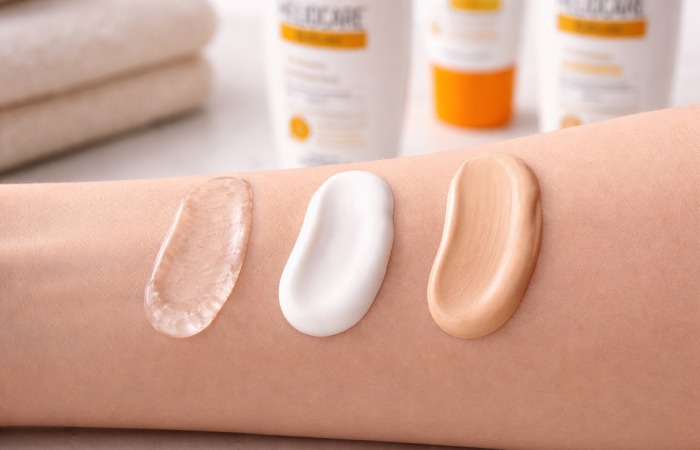
Heliocare offers multiple formulations to match different skin types.
| Variant | Best For | Texture |
| Gel Oil-Free | Oily / acne-prone skin | Lightweight, matte |
| Fluid Cream | Normal / combination skin | Light lotion |
| Tinted Version | Pigmentation / daily makeup base | Sheer tint |
| Mineral Formula | Sensitive skin | Physical filters |
Choosing the correct variant matters more than just picking the highest SPF.
Price Comparison (India — 2026 Approx.)
| Product | Typical India Price (Approx) | Best For |
|---|---|---|
| Heliocare Gel Oil-Free SPF 50 | ₹2,000 – ₹2,800 | Oily / acne-prone skin |
| Heliocare Fluid Cream SPF 50 | ₹1,900 – ₹2,700 | Normal / combination skin |
| Heliocare Tinted SPF 50 | ₹2,200 – ₹3,000 | Pigmentation / daily makeup base |
| Heliocare Mineral SPF 50 | ₹2,400 – ₹3,200 | Very sensitive / reactive skin |
| Basic Drugstore SPF 50 (average) | ₹700 – ₹1,500 | Everyday budget protection |
Real-World Benefits
In practical use, many users report:
- Non-greasy finish
- Minimal white cast (depending on variant)
- Good compatibility under makeup
- Reduced breakouts compared to heavier sunscreens
However, individual skin reactions vary.
Common Mistakes When Using Heliocare Sunscreen
- Not applying enough product
- Skipping reapplication
- Assuming SPF lasts all day
- Using sunscreen only outdoors
Dermatologists generally recommend reapplication every 2–3 hours during sun exposure.
Myths vs Facts
Myth: SPF 50 means full protection all day.
Reality: SPF measures UVB protection under controlled testing and requires proper reapplication.
Myth: Antioxidant sunscreens replace sunscreen filters.
Reality: Antioxidants complement but do not replace UV filters.
Myth: Sunscreen is only needed at the beach.
Reality: Daily exposure from commuting and indoor UVA penetration matters.
How to Apply Heliocare Sunscreen Correctly
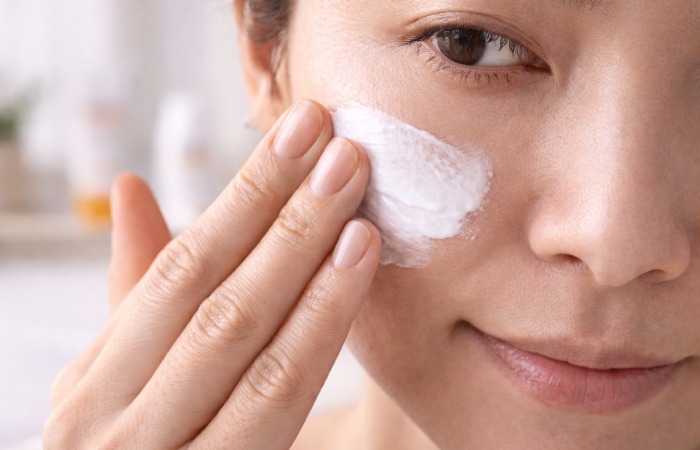
Follow this step-by-step method:
- Apply after moisturizer.
- Use approximately two finger-lengths of product for face and neck.
- Spread evenly without rubbing aggressively.
- Wait 10–15 minutes before sun exposure.
- Reapply every 2–3 hours if outdoors.
The Skin Cancer Foundation’s official sun protection recommendations also emphasize applying enough product and reapplying every two hours during sun exposure to maintain effective protection.
Consistency is more important than brand alone.
Is Heliocare Sunscreen Worth It?
Heliocare is positioned in the premium dermatological sunscreen segment.
It may be worth the investment if:
- You struggle with pigmentation
- You have acne-prone skin
- You want lightweight texture
- You live in high sun exposure climates
It may not be necessary if:
- You are satisfied with affordable broad-spectrum options
- Your skin tolerates basic sunscreens well
Pros and Cons
Pros
- Broad-spectrum protection
- Antioxidant support
- Lightweight options available
- Suitable for sensitive skin variants
Cons
- Premium pricing
- Variant selection can be confusing
- Some formulas may contain chemical filters
Safety and Dermatological Considerations
Modern sunscreen formulations are regulated in many countries to ensure safety within approved filter limits.
If you have:
- Rosacea
- Severe acne
- Eczema
Consult a dermatologist before switching products.
Heliocare Sunscreen vs Regular Sunscreen
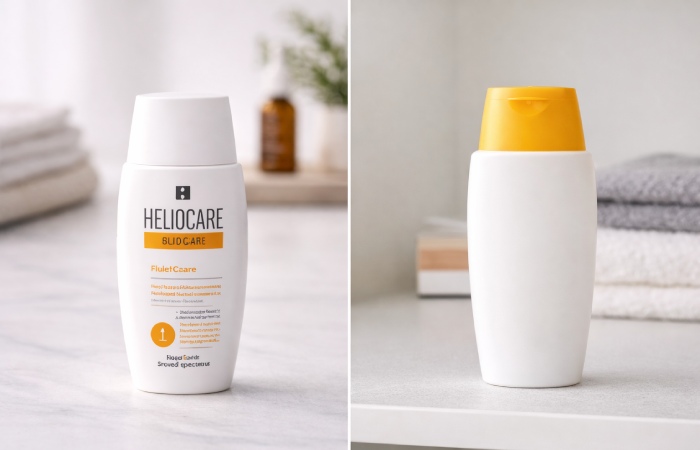
| Feature | Heliocare | Basic Drugstore SPF |
| Antioxidant support | Yes | Usually no |
| Texture options | Multiple | Limited |
| Price range | Premium | Budget to mid-range |
| Dermatology presence | Strong | Variable |
The difference lies in formulation philosophy rather than just SPF number.
Quick Availability Check: India: Nykaa/Amazon.in | EU: Heliocare Official | US: Dermstore | Next review: May 2026
FAQs
Is Heliocare sunscreen good for acne-prone skin?
Yes, oil-free and gel variants are often recommended for acne-prone skin types.
Does Heliocare prevent pigmentation?
It helps protect against UV-induced pigmentation when used consistently, but it does not treat existing pigmentation.
Can I use Heliocare sunscreen daily?
Yes, daily use is recommended for consistent UV protection.
Is Heliocare mineral or chemical?
It offers both mineral and chemical-filter variants depending on the specific product.
How often should I reapply?
Reapply every 2–3 hours during sun exposure.
Final Conclusion
Choosing the right sunscreen is one of the most important skincare decisions you’ll make. Heliocare sunscreen stands out because it combines traditional UV protection with antioxidant support, offering a more comprehensive defense against sun damage.
If you struggle with pigmentation, acne-prone skin, or live in high-UV regions, Heliocare may be a smart investment. Evaluate your skin type, choose the right variant, and use it consistently — because even the best sunscreen only works when applied correctly.